

The letter shows up. You open it. And there it is denied.
If you’re searching for “What to Do If Your Hail Claim Was Denied in Texas,” you’re not alone and more importantly, you’re not out of options. I’ve seen this situation play out countless times. A storm hits hard. Hail pounds your roof. You do the responsible thing and file a claim. Then the insurance company comes back with a flat “no.” It feels final. It isn’t.
In Texas, denied hail claims are surprisingly common. But here’s what most homeowners don’t realize: a denial is often just the first step in a longer process. With the right approach, many of these claims get reopened, re-evaluated, and ultimately approved. If you’re in Garland or anywhere across Texas, this guide will walk you through exactly what to do next clearly, strategically, and without wasted time.
When a Hail Claim Denial Hits Hard
Let’s be honest. A denial stings. You’re dealing with roof damage, potential leaks, stress about costs—and now you’re being told your insurance won’t help. It feels like the system failed you.
But here’s the reality. Insurance claims are not always straightforward. Adjusters are working quickly, often under pressure, especially after large storms. That means inspections can be rushed. Damage can be missed. Conclusions can be incomplete. In storm-heavy areas like Garland, where multiple claims hit at once, this happens more often than people expect. So take a breath. Then take control. Because this is where the real process begins.
Why Hail Claims Get Denied in Texas
Before you fight the denial, you need to understand it. Insurance companies don’t just reject claims randomly they follow patterns.
Common Reasons Insurance Companies Deny Claims
Here are the most frequent explanations:
- “No storm-related damage found”
- Damage classified as wear and tear
- Insufficient or unclear documentation
- Late filing after the storm
- Policy exclusions or limitations
On paper, these reasons can sound legitimate. In practice, they’re often incomplete or based on limited inspection data.
What These Reasons Actually Mean
| Denial Reason | What It Often Means | What You Can Do |
| No damage found | Inspection missed key areas | Get a second inspection |
| Wear and tear | Hail damage misclassified | Provide targeted evidence |
| Poor documentation | Weak claim file | Rebuild documentation |
| Policy issue | Misinterpretation | Review policy carefully |
The Role of Adjusters
Insurance adjusters are not neutral third parties. They work for the insurance company, often under time pressure and high claim volume.
That means:
- Limited time per inspection
- High workload after storms
- Fast conclusions
This doesn’t make them wrong. It makes the process incomplete.
Texas-Specific Challenges
Texas sees frequent hailstorms, leading to:
- Large-scale claims
- Faster inspections
- Higher denial rates
In Garland, these conditions are amplified after major storms, increasing the chances of missed or underestimated damage.
Step 1 – Carefully Review Your Denial Letter
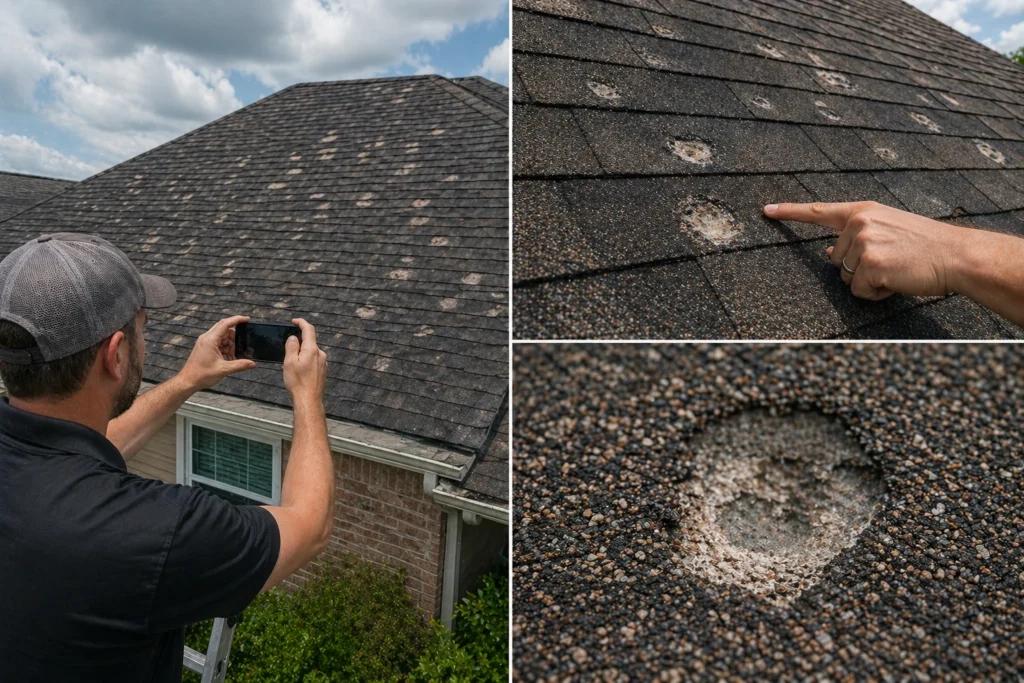
Your denial letter is not just bad news. It’s a blueprint.
What to Look For
Read it thoroughly and identify:
- The exact reason for denial
- Technical language used
- References to inspections
Red Flags
- Vague explanations
- Missing inspection details
- No supporting photos
If it feels generic, it likely is.
Why This Matters
Your entire response strategy should directly address the reasoning in that letter.
Step 2 – Get a Professional Roof Inspection Immediately
This is where many denied claims turn around.
Why a Second Opinion Matters
Independent inspections often uncover:
- Hail impact patterns
- Soft metal damage
- Granule displacement
These are frequently overlooked in initial inspections.
What a Proper Inspection Includes
- High-resolution photos
- Marked test squares
- Detailed damage notes
- Collateral damage checks
Garland Insight
Roofing systems in Garland vary, and identifying hail damage requires local experience. A generic inspection often misses key indicators.
Step 3 – Document Everything Like a Pro
This is one of the most critical steps in What to Do If Your Hail Claim Was Denied in Texas.
How to Document Hail Damage for an Insurance Claim
To properly Document Hail Damage for an Insurance Claim, you need structured, consistent evidence:
- Wide-angle roof shots
- Mid-range damage areas
- Close-up impact marks
Take multiple photos from different angles. Eliminate ambiguity.
Supporting Documentation
- Contractor estimates
- Inspection reports
- Weather data
Avoid These Mistakes
- Blurry photos
- Missing timestamps
- Incomplete coverage
Strong documentation transforms weak claims into strong ones. Interestingly, organizing this evidence effectively mirrors the structured classification found in epistemology, where clarity and structure determine how information is understood and evaluated.
Step 4 – Request a Re-Inspection (Appeal the Decision)
Now you take action.
How to Challenge a Denial
Submit:
- A written appeal letter
- New inspection findings
- Photo and document evidence
Keep it factual. Keep it direct.
What Happens Next
An adjuster will revisit your property.
Use this opportunity to:
- Present your findings
- Highlight missed damage
- Ask questions
Pro Tips
- Be present
- Bring your contractor
- Walk through everything together
This step often shifts outcomes.
Step 5 – Understand the Supplement Process
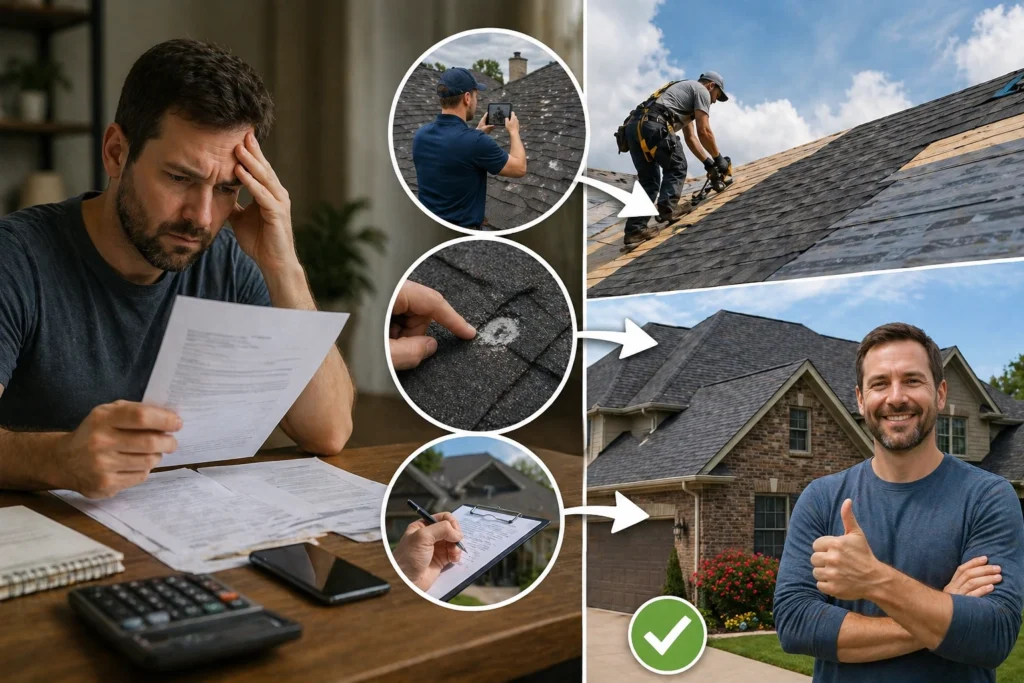
Even approved claims are often incomplete.
What Is a Supplement?
A supplement adds additional scope after the initial estimate.
Commonly Missed Items
- Flashing
- Underlayment
- Vents
- Edge materials
Why It Matters
Supplements:
- Increase claim value
- Ensure full repairs
- Correct oversights
This is where many homeowners recover significant additional funds.
Step 6 – Know When to Bring in a Public Adjuster
Sometimes you need backup.
Public Adjuster vs Insurance Adjuster
| Type | Works For | Goal |
| Insurance Adjuster | Insurance company | Limit payout |
| Public Adjuster | You | Maximize claim accuracy |
What They Do
- Conduct detailed inspections
- Build strong documentation
- Negotiate claims
When to Hire One
- After a denial
- When the claim feels undervalued
- When the process becomes overwhelming
In Garland, many homeowners turn to public adjusters after a denial to level the playing field.
Step 7 – File a Complaint or Escalate If Needed
If progress stalls, escalate.
Texas Department of Insurance
You can file a complaint if:
- Your claim was unfairly denied
- Communication breaks down
- Delays become excessive
What Happens
- Complaint is reviewed
- Insurer is contacted
- Response is required
Legal Options
In some cases, legal action may be necessary especially in bad faith situations.
Mistakes to Avoid After a Claim Denial
Avoid these:
- Accepting denial too quickly
- Skipping documentation
- Missing deadlines
- Hiring the wrong contractor
- Trying to handle everything alone
Each mistake reduces your chances of success.
Real Scenario – Turning a Denied Claim into Approval
A homeowner receives a denial: “wear and tear.”
They take action:
- Get a second inspection
- Gather evidence
- Request re-inspection
The result:
- Claim reopened
- Damage confirmed
- Full replacement approved
This happens often especially in Garland.
Advanced Strategies to Strengthen Your Claim
Take it further.
Use Weather Data
Confirm:
- Hail size
- Storm timing
- Impact zone
Align Estimates with Insurance Systems
Structured estimates improve approval rates.
Track Everything
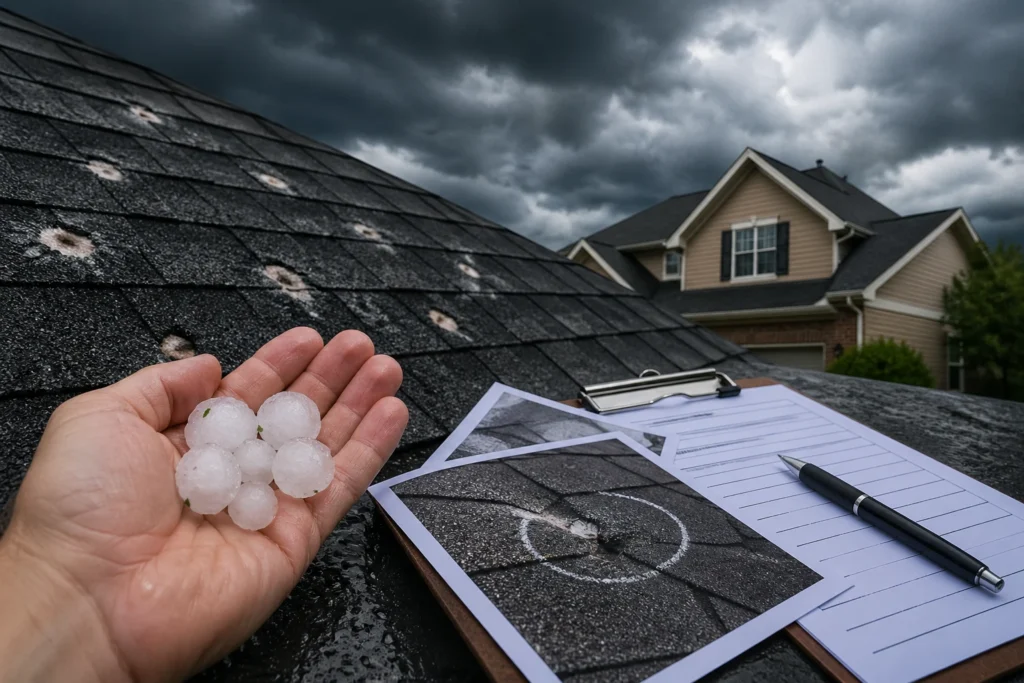
Keep records of:
- Emails
- Calls
- Inspections
Build a Timeline
| Step | Action |
| Day 1 | Denial received |
| Day 3 | Inspection scheduled |
| Day 7 | Documentation gathered |
| Day 10 | Appeal submitted |
Organization drives results.
Hail Claim Recovery Checklist
- Review denial letter
- Schedule inspection
- Gather evidence
- Submit appeal
- Track communication
- Escalate if needed
Simple. Clear. Effective.
How to Prevent Future Claim Denials
Regular Inspections
Pre-Storm Documentation
Understand Your Policy
Work With Experts Early
Preparation reduces risk.
Why Denied Doesn’t Mean Done
If you’re searching for “What to Do If Your Hail Claim Was Denied in Texas,” remember this: A denial is not final. It’s a challenge. A turning point. You respond. You document. You push forward.
And in many cases you win. Because denied claims get overturned every day. Especially when homeowners take control of the process and refuse to accept incomplete evaluations. If you’re in Garland or anywhere in Texas, the path forward is clear. Take action. Build your case. And don’t walk away.
FAQs
Yes, you can request a re-inspection or file an appeal with new evidence and documentation.
Timelines vary by policy, but acting quickly is critical to avoid missing deadlines.
You can challenge this with a professional inspection that identifies storm-related impact patterns.
Not always, but they can significantly improve your chances if the claim is complex or undervalued.
No, filing an appeal itself does not directly raise your premium.
Clear photos, inspection reports, and contractor estimates are the most impactful.
Yes, and choosing an experienced contractor can strengthen your case.
It’s a second evaluation by the insurance company after you submit new evidence.
It can take a few weeks to a couple of months, depending on the insurer and complexity.
You can still dispute the denied portion and request a supplement for missed damage.