

You’re standing in your living room. Something’s wrong. Maybe it’s water creeping along the baseboards. Maybe it’s a roof that didn’t survive the last storm. And right there, in that stressful moment, one question hits hard: do I need a public adjuster?
It’s a fair question. A smart one, too.
Because how you handle your insurance claim can shape your financial outcome for months—or even years. I’ve seen people accept quick settlements and regret it later. I’ve also seen homeowners bring in the right help and walk away with a completely different result.
Let’s break this down clearly, practically, and without fluff. If you’ve ever asked yourself do I need a public adjuster, this guide will give you a confident answer.
What Is a Public Adjuster, Really?
Let’s keep it simple.
A public adjuster is a licensed professional who works for you, not the insurance company.
There are three types of adjusters involved in claims:
- Insurance company adjuster → Works for the insurer
- Independent adjuster → Hired by the insurer
- Public adjuster → Works for the policyholder (you)
That distinction matters. A lot.
When you’re asking do I need a public adjuster, what you’re really asking is:
Do I need someone on my side who understands the system better than I do?
What Does a Public Adjuster Actually Do?
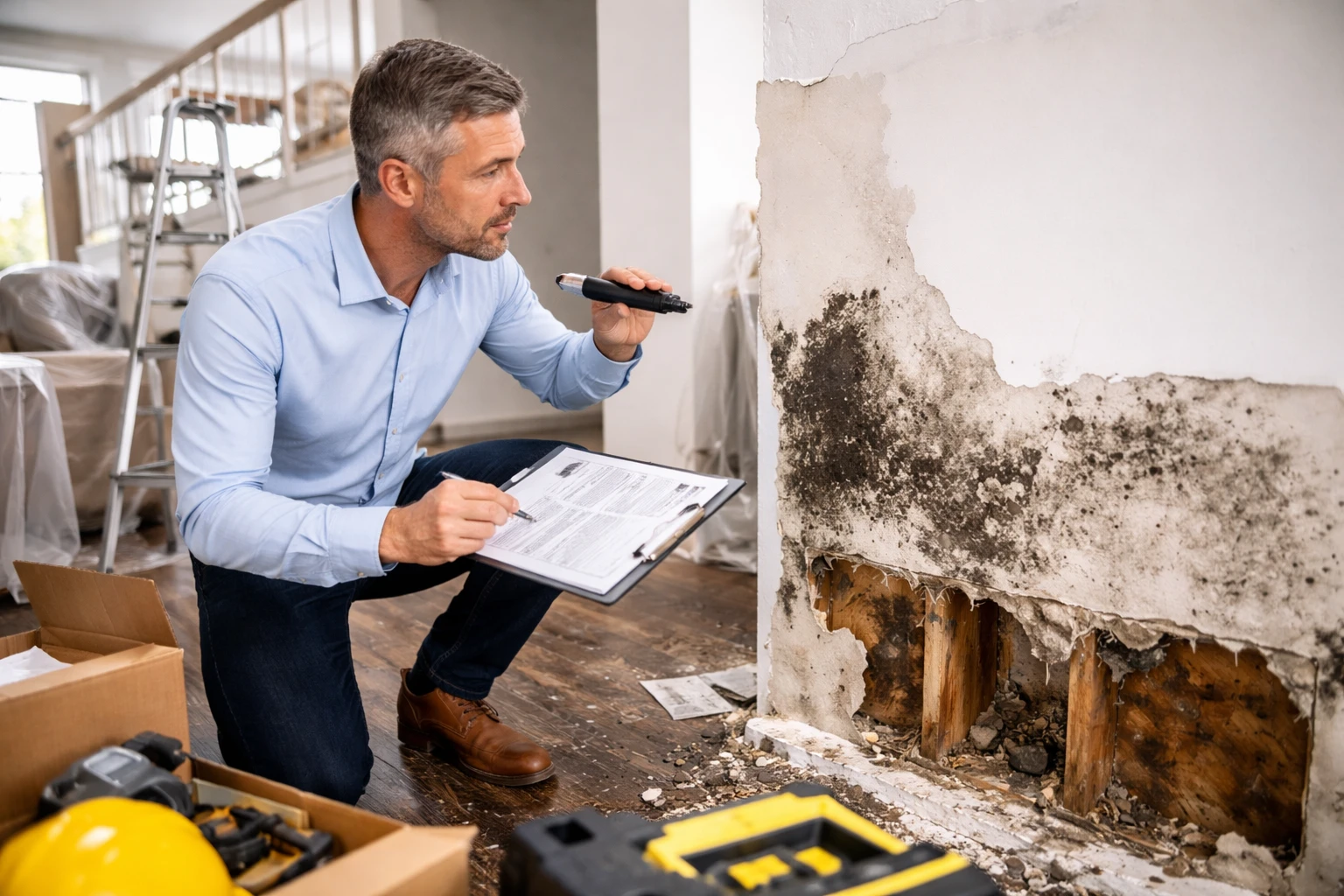
This isn’t just someone who “looks at damage.” That’s the surface level.
A good public adjuster handles the entire claim process strategically.
Here’s what they typically do:
- Inspect and document every detail of the damage
- Review your insurance policy line by line
- Identify coverage you may not even realize you have
- Create a detailed repair and cost estimate
- Handle communication with the insurance company
- Negotiate the settlement amount
And here’s the part people overlook:
They don’t just report damage. They frame the claim.
That framing can make a huge difference.
Do I Need a Public Adjuster? Start With These Situations
Let’s get practical. Because this isn’t a yes-or-no answer for everyone.
Large or Complex Claims
If the damage is significant, the stakes are high.
Think:
- Fire damage
- Major storm or hail damage
- Structural issues
- Extensive water damage
These claims often involve multiple layers of coverage and interpretation.
In these cases, asking do I need a public adjuster usually leads to one answer: very likely, yes.
Denied or Underpaid Claims
This is where things get frustrating fast.
If your insurance company:
- Denies your claim
- Delays the process
- Offers a settlement that feels too low
You’re not alone. And you’re not stuck.
A public adjuster can reassess the claim and push back with documented evidence.
Sometimes, that changes everything.
You Don’t Have Time to Handle It
Let’s be honest.
Insurance claims are time-consuming. Calls, emails, paperwork, inspections—it adds up quickly.
If you’re juggling work, family, or running a business, asking do I need a public adjuster becomes a question of time, not just money.
And time is valuable.
Commercial Property Claims
If you own a business property, the complexity increases.
Now you’re dealing with:
- Business interruption losses
- Inventory damage
- Revenue impact
Mistakes here can cost far more than the adjuster’s fee.
Multiple Types of Damage
This is where claims get messy.
For example:
- Water damage that leads to mold
- Storm damage that affects roofing and interior systems
Each type may fall under different coverage terms.
Miss one detail, and you leave money on the table.
When You Might NOT Need a Public Adjuster
Let’s keep this balanced.
There are situations where hiring one may not make sense.
Small, Straightforward Claims
If the damage is minor and clearly covered, the process may be simple enough to handle yourself.
Examples:
- Small leak repairs
- Minor roof patching
- Limited interior damage
Clear and Fair Insurance Response
If your insurer:
- Responds quickly
- Offers a reasonable settlement
- Communicates clearly
Then you may not need extra help.
You Understand the Process
Some property owners are experienced. They know how to read policies and negotiate claims.
If that’s you, great.
But be honest with yourself.
Pros and Cons of Hiring a Public Adjuster
Let’s put this into a simple table.
| Pros | Cons |
| Potentially higher settlement | Fee (percentage of claim) |
| Less stress and workload | Not needed for small claims |
| Expert documentation | Quality varies by adjuster |
| Strong negotiation support | Requires due diligence |
Short version?
You’re trading a percentage for expertise and time.
How Much Does a Public Adjuster Cost?
Most public adjusters work on a contingency fee.
That means:
- They only get paid if you get paid
- Their fee is a percentage of your settlement
Typical Fee Range
- 5% to 15% of the claim amount
Example Breakdown
| Claim Amount | Adjuster Fee (10%) | Your Net |
| $20,000 | $2,000 | $18,000 |
| $50,000 | $5,000 | $45,000 |
| $100,000 | $10,000 | $90,000 |
Here’s the real question:
Would you rather keep 100% of a smaller payout…
or 85–90% of a significantly larger one?
That’s often the deciding factor when people ask, do I need a public adjuster.
A Simple Checklist to Decide
Let’s make this actionable.
Ask yourself:
- Is my claim large or complex?
- Has my claim been denied or delayed?
- Do I fully understand my policy?
- Am I comfortable negotiating with an insurer?
- Do I have time to manage this process?
If you answered “yes” to 2 or more:
You should seriously consider hiring one.
How to Choose the Right Public Adjuster in Garland
Not all adjusters are equal. This part matters.
Look for These Qualities:
- Licensed in Texas
- Experience with similar claims
- Strong local reputation
- Clear, written contract
- Transparent fee structure
Questions to Ask:
- How many claims like mine have you handled?
- What’s your average settlement increase?
- How do you communicate updates?
Don’t rush this decision.
Common Mistakes to Avoid
I’ve seen these happen more than once.
Avoid them.
- Hiring too late in the process
- Not reading the contract carefully
- Choosing based only on the lowest fee
- Failing to verify licensing
These mistakes can cost you more than the claim itself.
When Is It Too Late to Hire a Public Adjuster?
Timing matters.
You can usually hire a public adjuster:
- Before filing a claim
- During the claims process
- Even after an initial offer
But it may be too late if:
- The claim is fully settled and signed
- Deadlines have passed
- Legal limitations apply
That’s why asking do I need a public adjuster early is so important.
Real-Life Scenarios

Let’s make this real.
Scenario 1: Storm Damage in Garland
A homeowner files a claim after hail damage.
Initial offer: $12,000
After hiring a public adjuster: $28,000
That’s a big difference.
Scenario 2: Business Fire Loss
A small business suffers fire damage.
The owner is overwhelmed. Documentation is incomplete.
A public adjuster steps in, organizes everything, and negotiates a full claim including lost income.
Scenario 3: Denied Water Damage Claim
The insurer denies the claim due to “policy exclusions.”
A public adjuster reviews the policy and finds coverage that applies.
The claim gets reopened and paid.
So… Do I Need a Public Adjuster?
Let’s bring it home.
You don’t always need one.
But in the right situations, they can:
- Increase your settlement
- Reduce your stress
- Protect your financial outcome
If your claim is large, complicated, or disputed, the answer to do I need a public adjuster becomes much clearer.
And often, it’s yes.
Final Thoughts for Garland Property Owners
Insurance claims aren’t just paperwork. They’re negotiations.
And like any negotiation, the outcome depends on who’s representing you.
If you’re confident, experienced, and dealing with a simple claim, you may not need help.
But if you’re unsure—even a little—it’s worth exploring your options.
Because once a claim is settled, it’s done.
And you don’t get a second shot.
So ask yourself again, honestly:
Do I need a public adjuster?
If the answer isn’t a clear no, it might be time to bring one into your corner.
FAQs
No, you typically don’t need one for small or straightforward claims with clear coverage and quick insurer response.
Yes, a public adjuster can review your policy and help challenge or reopen a denied claim.
In many cases, yes—especially if the damage is extensive or involves multiple parts of your property.
Often, yes—they document damage thoroughly and negotiate to help maximize your payout.
If it involves multiple types of damage, large repair costs, or confusing policy terms, it may be too complex.
The earlier, the better—ideally before filing or early in the claims process.
Not always, but if the offer seems low, a public adjuster can review and negotiate for more.
Most charge a percentage of your settlement, usually between 5% and 15%.
Yes, you can hire one mid-process as long as the claim hasn’t been finalized.
Often yes, because commercial claims are more complex and involve higher financial stakes.